Buy urlaub-wellness.eu ?
We are moving the project
urlaub-wellness.eu .
Are you interested in purchasing the domain
urlaub-wellness.eu ?
domain@kv-gmbh.de · 0541-91531010
Buy urlaub-wellness.eu ?
What does "Schuster, bleib bei deinem Leisten" mean?
"Schuster, bleib bei deinem Leisten" is a German proverb that translates to "Shoemaker, stick to your last" in English. It is used to advise someone to stick to what they know best and not to meddle in areas outside of their expertise. The proverb emphasizes the importance of staying in one's lane and focusing on one's own skills and abilities. **
Which principles?
The principles referred to in the context of this conversation are likely the fundamental beliefs or guidelines that govern a particular system, organization, or practice. These principles could include values such as honesty, integrity, respect, fairness, and accountability. Adhering to these principles helps ensure ethical behavior, consistency, and effectiveness in decision-making and actions. **

Similar search terms for Simon-Schuster-UK-Principles
Top-Angebote
Products related to Simon-Schuster-UK-Principles:
-
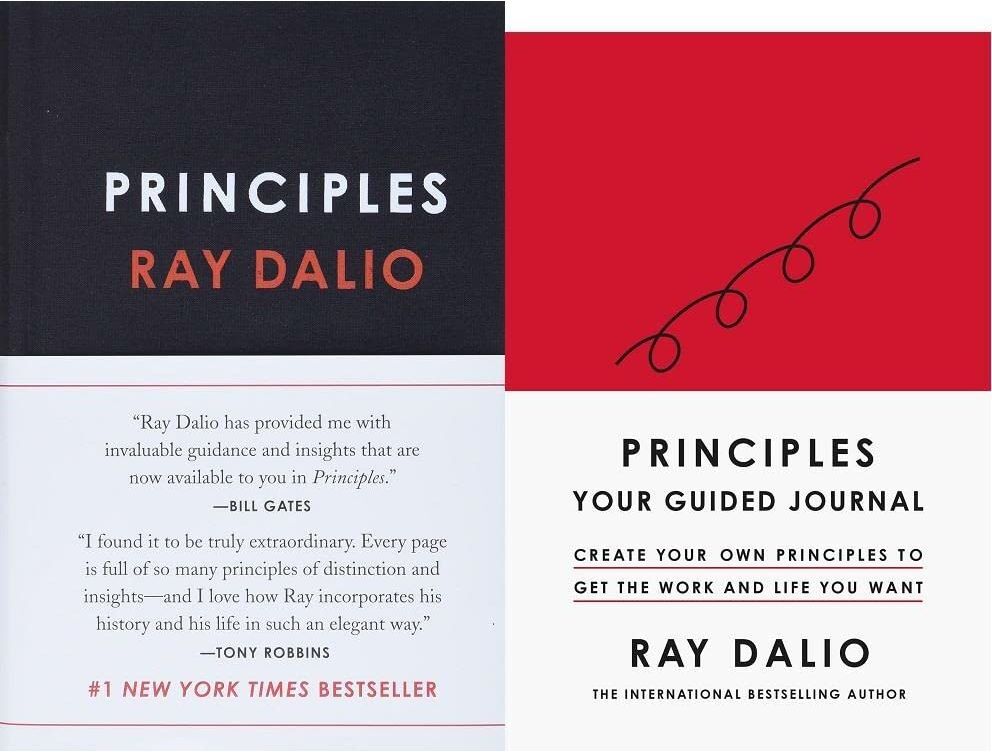
Simon & Schuster Principles Life and Work, Principles Your Guided Journal 2 Books Collection SetPrinciples: Life and Work, Principles Your Guided Journal 2 Books Collection Set Principles: Life and Work In Principles, Dalio shares what he’s learned over the course of his remarkable career. He argues that life, management, economics, and investing can all be systemized into rules and understood like machines. The book’s hundreds of practical lessons, which are built around his cornerstones of “radical truth” and “radical transparency,” include Dalio laying out the most effective ways for individuals and organizations to make decisions, approach challenges, and build strong teams. He also describes the innovative tools the firm uses to bring an idea meritocracy to life, such as creating “baseball cards” for all employees that distill their strengths and weaknesses, and employing computerized decision-making systems to make believability-weighted decisions. While the book brims with novel ideas for organizations and institutions, Principles also offers a clear, straightforward approach to decision-making that Dalio believes anyone can apply, no matter what they’re seeking to achieve. Principles: Your Guided Journal: With this new journal, Dalio takes his goal one step further to help readers reflect on and record their own principles. He does that by providing a series of guided exercises and questions for reflecting on what you’re like, what you value, and what principles will best help you achieve your goals. These exercises draw from key concepts in the original Principles book, including: 1. How to identify your strengths, weaknesses, motivations and preferences 2. How to use the 'five-step process' to achieve your goals 3. How to become both 'assertive and open-minded at the same time' 4. How to maximise your learning from your mistakes (which are inevitable)22,99 £*Shipping: 2,99 £Secure redirect to the provider



-
What are principles? How are people without principles?
Principles are fundamental beliefs or values that guide a person's behavior and decision-making. They serve as a moral compass and help individuals make ethical choices in their personal and professional lives. People without principles may act in a self-serving or unethical manner, lacking a sense of integrity and moral responsibility. Without principles, individuals may struggle to build trust and maintain healthy relationships with others, as their actions may be unpredictable and inconsistent. **
-
Love or principles?
It is important to strike a balance between love and principles in any relationship. While love is essential for emotional connection and support, principles provide a foundation for mutual respect and understanding. Both love and principles are necessary for a healthy and fulfilling relationship, as they help guide behavior and decision-making while also fostering a deep emotional connection. Ultimately, finding a harmonious blend of love and principles can lead to a strong and lasting bond. **
-
Which second name suits Simon?
It's difficult to determine the best second name for Simon without knowing more about his personality, background, or preferences. However, some popular second names that could suit Simon include James, Alexander, Michael, or William. Ultimately, the best second name for Simon would be one that holds personal significance or meaning to him. **
-
What are the orthographic principles of the lexical and textual principles?
The orthographic principles of lexical and textual principles refer to the rules and conventions governing the correct spelling, punctuation, and formatting of words and sentences in written language. Lexical principles focus on the correct spelling and usage of individual words, including understanding prefixes, suffixes, and root words. Textual principles, on the other hand, involve the correct organization and structure of sentences and paragraphs, including proper punctuation, capitalization, and paragraphing to ensure clarity and coherence in written communication. Both sets of principles are essential for effective written communication and help ensure that written texts are clear, accurate, and easy to read. **


What are orthographic principles?
Orthographic principles are rules and conventions that govern the correct way to write and spell words in a language. These principles include guidelines for using capitalization, punctuation, and spelling. Following orthographic principles helps ensure clarity, consistency, and accuracy in written communication. Adhering to these principles also helps to maintain the standardization and uniformity of written language. **
What are aesthetic principles?
Aesthetic principles are guidelines or rules that help determine what is considered beautiful, harmonious, or pleasing in art, design, or any form of creative expression. These principles often include concepts such as balance, unity, proportion, rhythm, and emphasis. By following aesthetic principles, artists and designers can create works that are visually appealing and convey a sense of harmony and order to the viewer. **
Top-Angebote
Products related to Simon-Schuster-UK-Principles:
-
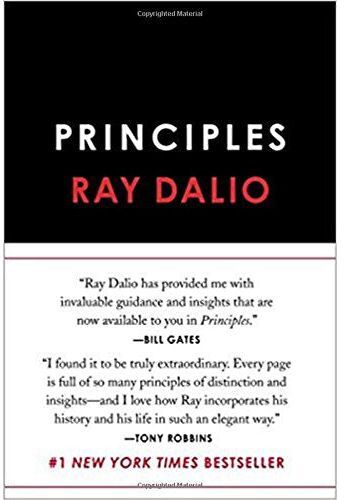
Simon & Schuster Principles: Life and Work by Ray Dalio#1 NEW YORK TIMES BESTSELLER * 5 MILLION COPIES SOLD “Significant...The book is both instructive and surprisingly moving.” —The New York Times Ray Dalio, one of the world’s most successful investors and entrepreneurs, shares the unconventional principles that he’s developed, refined, and used over the past forty years to create unique results in both life and business—and which any person or organization can adopt to help achieve their goals. In 1975, Ray Dalio founded an investment firm, Bridgewater Associates, out of his two-bedroom apartment in New York City. Forty years later, Bridgewater has made more money for its clients than any other hedge fund in history and grown into the fifth most important private company in the United States, according to Fortune magazine. Dalio himself has been named to Time magazine’s list of the 100 most influential people in the world. Along the way, Dalio discovered a set of unique principles that have led to Bridgewater’s exceptionally effective culture, which he describes as “an idea meritocracy that strives to achieve meaningful work and meaningful relationships through radical transparency.” It is these principles, and not anything special about Dalio—who grew up an ordinary kid in a middle-class Long Island neighborhood—that he believes are the reason behind his success. In Principles, Dalio shares what he’s learned over the course of his remarkable career. He argues that life, management, economics, and investing can all be systemized into rules and understood like machines. The book’s hundreds of practical lessons, which are built around his cornerstones of “radical truth” and “radical transparency,” include Dalio laying out the most effective ways for individuals and organizations to make decisions, approach challenges, and build strong teams. He also describes the innovative tools the firm uses to bring an idea meritocracy to life, such as creating “baseball cards” for all employees that distill their strengths and weaknesses, and employing computerized decision-making systems to make believability-weighted decisions. While the book brims with novel ideas for organizations and institutions, Principles also offers a clear, straightforward approach to decision-making that Dalio believes anyone can apply, no matter what they’re seeking to achieve. Here, from a man who has been called both “the Steve Jobs of investing” and “the philosopher king of the financial universe” (CIO magazine), is a rare opportunity to gain proven advice unlike anything you’ll find in the conventional business press.15,99 £*Shipping: 2,99 £Secure redirect to the provider
-
What does "Schuster, bleib bei deinem Leisten" mean?
"Schuster, bleib bei deinem Leisten" is a German proverb that translates to "Shoemaker, stick to your last" in English. It is used to advise someone to stick to what they know best and not to meddle in areas outside of their expertise. The proverb emphasizes the importance of staying in one's lane and focusing on one's own skills and abilities. **
-
Which principles?
The principles referred to in the context of this conversation are likely the fundamental beliefs or guidelines that govern a particular system, organization, or practice. These principles could include values such as honesty, integrity, respect, fairness, and accountability. Adhering to these principles helps ensure ethical behavior, consistency, and effectiveness in decision-making and actions. **
-
What are principles? How are people without principles?
Principles are fundamental beliefs or values that guide a person's behavior and decision-making. They serve as a moral compass and help individuals make ethical choices in their personal and professional lives. People without principles may act in a self-serving or unethical manner, lacking a sense of integrity and moral responsibility. Without principles, individuals may struggle to build trust and maintain healthy relationships with others, as their actions may be unpredictable and inconsistent. **
-
Love or principles?
It is important to strike a balance between love and principles in any relationship. While love is essential for emotional connection and support, principles provide a foundation for mutual respect and understanding. Both love and principles are necessary for a healthy and fulfilling relationship, as they help guide behavior and decision-making while also fostering a deep emotional connection. Ultimately, finding a harmonious blend of love and principles can lead to a strong and lasting bond. **
Similar search terms for Simon-Schuster-UK-Principles
-
Simon & Schuster Principles Life and Work, Principles Your Guided Journal 2 Books Collection SetPrinciples: Life and Work, Principles Your Guided Journal 2 Books Collection Set Principles: Life and Work In Principles, Dalio shares what he’s learned over the course of his remarkable career. He argues that life, management, economics, and investing can all be systemized into rules and understood like machines. The book’s hundreds of practical lessons, which are built around his cornerstones of “radical truth” and “radical transparency,” include Dalio laying out the most effective ways for individuals and organizations to make decisions, approach challenges, and build strong teams. He also describes the innovative tools the firm uses to bring an idea meritocracy to life, such as creating “baseball cards” for all employees that distill their strengths and weaknesses, and employing computerized decision-making systems to make believability-weighted decisions. While the book brims with novel ideas for organizations and institutions, Principles also offers a clear, straightforward approach to decision-making that Dalio believes anyone can apply, no matter what they’re seeking to achieve. Principles: Your Guided Journal: With this new journal, Dalio takes his goal one step further to help readers reflect on and record their own principles. He does that by providing a series of guided exercises and questions for reflecting on what you’re like, what you value, and what principles will best help you achieve your goals. These exercises draw from key concepts in the original Principles book, including: 1. How to identify your strengths, weaknesses, motivations and preferences 2. How to use the 'five-step process' to achieve your goals 3. How to become both 'assertive and open-minded at the same time' 4. How to maximise your learning from your mistakes (which are inevitable)22,99 £*Shipping: 2,99 £Secure redirect to the provider
-
Which second name suits Simon?
It's difficult to determine the best second name for Simon without knowing more about his personality, background, or preferences. However, some popular second names that could suit Simon include James, Alexander, Michael, or William. Ultimately, the best second name for Simon would be one that holds personal significance or meaning to him. **
-
What are the orthographic principles of the lexical and textual principles?
The orthographic principles of lexical and textual principles refer to the rules and conventions governing the correct spelling, punctuation, and formatting of words and sentences in written language. Lexical principles focus on the correct spelling and usage of individual words, including understanding prefixes, suffixes, and root words. Textual principles, on the other hand, involve the correct organization and structure of sentences and paragraphs, including proper punctuation, capitalization, and paragraphing to ensure clarity and coherence in written communication. Both sets of principles are essential for effective written communication and help ensure that written texts are clear, accurate, and easy to read. **
-
What are orthographic principles?
Orthographic principles are rules and conventions that govern the correct way to write and spell words in a language. These principles include guidelines for using capitalization, punctuation, and spelling. Following orthographic principles helps ensure clarity, consistency, and accuracy in written communication. Adhering to these principles also helps to maintain the standardization and uniformity of written language. **
-
What are aesthetic principles?
Aesthetic principles are guidelines or rules that help determine what is considered beautiful, harmonious, or pleasing in art, design, or any form of creative expression. These principles often include concepts such as balance, unity, proportion, rhythm, and emphasis. By following aesthetic principles, artists and designers can create works that are visually appealing and convey a sense of harmony and order to the viewer. **
* All prices are inclusive of VAT and, if applicable, plus shipping costs. The offer information is based on the details provided by the respective shop and is updated through automated processes. Real-time updates do not occur, so deviations can occur in individual cases. ** Note: Parts of this content were created by AI.