Buy urlaub-wellness.eu ?
We are moving the project
urlaub-wellness.eu .
Are you interested in purchasing the domain
urlaub-wellness.eu ?
domain@kv-gmbh.de · 0541-91531010
Buy urlaub-wellness.eu ?
How can one heat up an old sauna?
To heat up an old sauna, you can start by cleaning the sauna and ensuring that the ventilation is working properly. Next, check the heating elements or stove to make sure they are in good working condition. If the heating elements are not functioning properly, they may need to be replaced. Once everything is in working order, start a fire in the stove or turn on the heating elements and allow the sauna to heat up to the desired temperature. It's important to monitor the temperature and ventilation throughout the heating process to ensure a safe and comfortable sauna experience. **
Why does the human endure this heat in the sauna?
The human endures the heat in the sauna for a variety of reasons. Firstly, the heat helps to relax the muscles and relieve tension, providing a sense of physical and mental relaxation. Additionally, the heat can also help to improve circulation and promote sweating, which is believed to have detoxifying effects on the body. Furthermore, the sauna experience is often seen as a social and cultural activity, providing an opportunity for socializing and bonding with others. Overall, the human endures the heat in the sauna for the potential health benefits, relaxation, and social experience it provides. **

Similar search terms for Heat
Top-Angebote
Products related to Heat:




-
What is heat conduction and heat convection?
Heat conduction is the transfer of heat through a material or between materials that are in direct contact with each other. It occurs through the vibration and collision of atoms and molecules, leading to the transfer of thermal energy. On the other hand, heat convection is the transfer of heat through the movement of fluids, such as air or water. This occurs as warmer, less dense fluid rises and cooler, denser fluid sinks, creating a continuous circulation of heat transfer. Both heat conduction and heat convection are important mechanisms for the transfer of heat in various natural and engineered systems. **
-
Which material absorbs heat without storing heat?
A material that absorbs heat without storing it is one that has a high thermal conductivity and low heat capacity. This means that it can quickly absorb heat and transfer it away without retaining much of the heat energy. Examples of such materials include metals like aluminum and copper, as well as certain types of ceramics and carbon-based materials. These materials are often used in applications where rapid heat absorption and dissipation are required, such as in heat sinks for electronic devices or in cooking utensils. **
-
Are there ovens that heat using heat pumps?
Yes, there are ovens that use heat pumps to heat food. These ovens are known as heat pump ovens and they work by using a heat pump system to transfer heat from the surrounding air into the oven cavity. This allows them to be more energy efficient compared to traditional ovens, as they do not rely solely on electrical resistance heating. Heat pump ovens are becoming increasingly popular as people look for more sustainable and energy-efficient cooking options. **
-
How much heat does a heat radiator produce?
The amount of heat produced by a heat radiator depends on its size, design, and the temperature of the water or steam flowing through it. Generally, a heat radiator can produce enough heat to warm up a room or a specific area within a building. The heat output is measured in British Thermal Units (BTUs) or watts, and can vary depending on the specific model and its intended use. It's important to consider the heat output of a radiator when selecting the right one for a particular space. **


What is heat transfer in a heat exchanger?
Heat transfer in a heat exchanger is the process of exchanging thermal energy between two fluids at different temperatures. This transfer occurs through conduction, convection, or radiation, depending on the design of the heat exchanger. The goal of heat transfer in a heat exchanger is to efficiently and effectively transfer heat from one fluid to another, either to heat or cool the fluids involved. This process is essential in various industrial and commercial applications, such as HVAC systems, refrigeration, and power generation. **
What is the offer for a wellness sauna for women?
The offer for a wellness sauna for women includes a relaxing and rejuvenating experience in a private sauna. Women can enjoy the benefits of heat therapy, detoxification, and stress relief in a comfortable and tranquil environment. The sauna is designed to cater to the specific needs and preferences of women, providing a safe and comfortable space for relaxation and self-care. Additionally, the offer may include amenities such as aromatherapy, herbal teas, and soothing music to enhance the overall wellness experience. **
Top-Angebote
Products related to Heat:
-
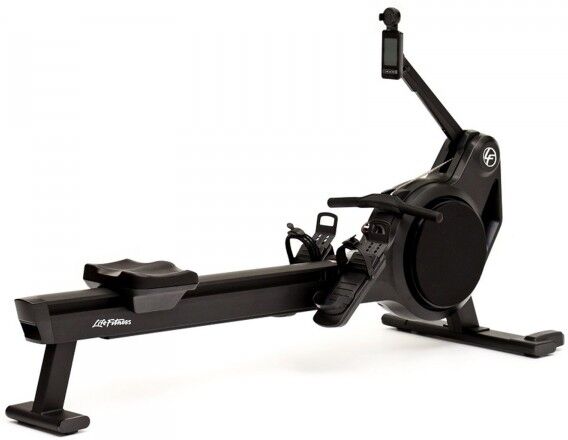
Life Fitness Heat Rower - LCD Rowing MachineTurn up the intensity in your facility with the Heat Row. The powerful, modern design is tailored to match any intensity level. STREAMLINED ROWER Life Fitness have pushed the envelope to create a streamlined rower that helps exercisers push past their limits. The intuitive LCD console offers an...2995,00 £*Shipping: 0,00 £Secure redirect to the provider
-
How can one heat up an old sauna?
To heat up an old sauna, you can start by cleaning the sauna and ensuring that the ventilation is working properly. Next, check the heating elements or stove to make sure they are in good working condition. If the heating elements are not functioning properly, they may need to be replaced. Once everything is in working order, start a fire in the stove or turn on the heating elements and allow the sauna to heat up to the desired temperature. It's important to monitor the temperature and ventilation throughout the heating process to ensure a safe and comfortable sauna experience. **
-
Why does the human endure this heat in the sauna?
The human endures the heat in the sauna for a variety of reasons. Firstly, the heat helps to relax the muscles and relieve tension, providing a sense of physical and mental relaxation. Additionally, the heat can also help to improve circulation and promote sweating, which is believed to have detoxifying effects on the body. Furthermore, the sauna experience is often seen as a social and cultural activity, providing an opportunity for socializing and bonding with others. Overall, the human endures the heat in the sauna for the potential health benefits, relaxation, and social experience it provides. **
-
What is heat conduction and heat convection?
Heat conduction is the transfer of heat through a material or between materials that are in direct contact with each other. It occurs through the vibration and collision of atoms and molecules, leading to the transfer of thermal energy. On the other hand, heat convection is the transfer of heat through the movement of fluids, such as air or water. This occurs as warmer, less dense fluid rises and cooler, denser fluid sinks, creating a continuous circulation of heat transfer. Both heat conduction and heat convection are important mechanisms for the transfer of heat in various natural and engineered systems. **
-
Which material absorbs heat without storing heat?
A material that absorbs heat without storing it is one that has a high thermal conductivity and low heat capacity. This means that it can quickly absorb heat and transfer it away without retaining much of the heat energy. Examples of such materials include metals like aluminum and copper, as well as certain types of ceramics and carbon-based materials. These materials are often used in applications where rapid heat absorption and dissipation are required, such as in heat sinks for electronic devices or in cooking utensils. **
Similar search terms for Heat
-
Are there ovens that heat using heat pumps?
Yes, there are ovens that use heat pumps to heat food. These ovens are known as heat pump ovens and they work by using a heat pump system to transfer heat from the surrounding air into the oven cavity. This allows them to be more energy efficient compared to traditional ovens, as they do not rely solely on electrical resistance heating. Heat pump ovens are becoming increasingly popular as people look for more sustainable and energy-efficient cooking options. **
-
How much heat does a heat radiator produce?
The amount of heat produced by a heat radiator depends on its size, design, and the temperature of the water or steam flowing through it. Generally, a heat radiator can produce enough heat to warm up a room or a specific area within a building. The heat output is measured in British Thermal Units (BTUs) or watts, and can vary depending on the specific model and its intended use. It's important to consider the heat output of a radiator when selecting the right one for a particular space. **
-
What is heat transfer in a heat exchanger?
Heat transfer in a heat exchanger is the process of exchanging thermal energy between two fluids at different temperatures. This transfer occurs through conduction, convection, or radiation, depending on the design of the heat exchanger. The goal of heat transfer in a heat exchanger is to efficiently and effectively transfer heat from one fluid to another, either to heat or cool the fluids involved. This process is essential in various industrial and commercial applications, such as HVAC systems, refrigeration, and power generation. **
-
What is the offer for a wellness sauna for women?
The offer for a wellness sauna for women includes a relaxing and rejuvenating experience in a private sauna. Women can enjoy the benefits of heat therapy, detoxification, and stress relief in a comfortable and tranquil environment. The sauna is designed to cater to the specific needs and preferences of women, providing a safe and comfortable space for relaxation and self-care. Additionally, the offer may include amenities such as aromatherapy, herbal teas, and soothing music to enhance the overall wellness experience. **
* All prices are inclusive of VAT and, if applicable, plus shipping costs. The offer information is based on the details provided by the respective shop and is updated through automated processes. Real-time updates do not occur, so deviations can occur in individual cases. ** Note: Parts of this content were created by AI.