Buy urlaub-wellness.eu ?
We are moving the project
urlaub-wellness.eu .
Are you interested in purchasing the domain
urlaub-wellness.eu ?
domain@kv-gmbh.de · 0541-91531010
Buy urlaub-wellness.eu ?
What is differential covariance?
Differential covariance refers to the difference in the covariance between two variables across different groups or conditions. It is used to assess whether the relationship between two variables varies depending on different levels of a third variable. This can help to identify how the strength and direction of the relationship between two variables may change under different circumstances or conditions. Differential covariance is important in understanding how different factors may influence the relationship between variables in a given context. **
How can one annualize covariance?
To annualize covariance, you would first calculate the covariance between two variables over a specific time period. Then, you would multiply this covariance by the number of periods in a year to adjust for the fact that the original calculation was based on a shorter time frame. This helps to provide a more meaningful comparison of the relationship between the variables on an annual basis. Finally, annualizing covariance allows for better understanding and comparison of the risk and return characteristics of different assets or portfolios over time. **


Similar search terms for Covariance
Top-Angebote
Products related to Covariance:
-
Uplift Essentials Sweat Sauna Waist Trimmer Belt For Fitness And Fat Burning blackBoost your workouts with this sweatenhancing sauna waist trimmer belt designed to increase heat, amplify sweating, and support your core. Perfect for men and women, this adjustable belt helps contour the waist, improve posture, and maximize calorie...37,97 $*Shipping: 0,00 $Secure redirect to the provider
-
Power System Fitness Foam Roller massage tool colour Green 1 pcPower System Fitness Foam Roller, 1 pc, Fitness Equipment for Men, After strenuous physical activity, your body and especially your muscles deserve quality relaxation and regeneration. This massage aid Power SystemFitness Foam Rollerhelps to reduce muscle tension and relaxes stiff muscles. Characteristics: is used for relaxation and unwinding promotes muscle regeneration helps with blood circulation to muscles serves as support during exercise and stretching relieves stiff muscles resistant to high loads Ingredients: non-slip material12,67 £*Shipping: 3,99 £Secure redirect to the provider
-
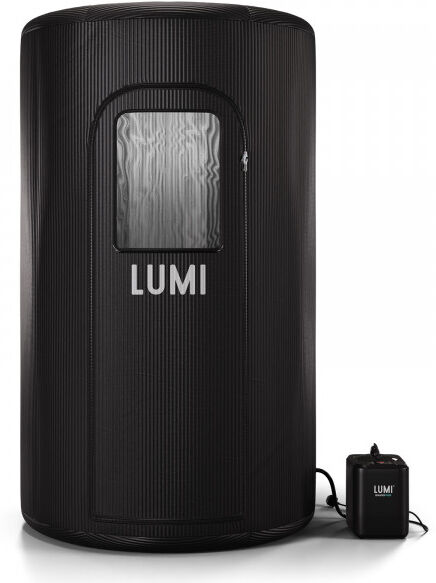
LUMI Sauna MAXTHE LUMI SAUNA MAXâ„¢ The LUMI Sauna MAXâ„¢ transforms your indoor space into a rejuvenating wellness retreat. This premium home sauna features an inflatable internal frame, ensuring a quick and easy setup and sturdy support. QUICK & EFFORTLESS SETUP No fiddly poles or clips, the LUMI Sauna MAX...479,00 £*Shipping: 0,00 £Secure redirect to the provider



-
How do you calculate covariance?
Covariance is calculated by taking the average of the product of the deviations of each variable from their respective means. The formula for calculating covariance between two variables X and Y is: Cov(X,Y) = Σ[(X - μx)(Y - μy)] / n, where μx and μy are the means of X and Y, and n is the number of data points. A positive covariance indicates that the two variables tend to move in the same direction, while a negative covariance indicates that they tend to move in opposite directions. **
-
How do I determine the covariance?
Covariance is a measure of how two variables change together. To determine the covariance between two variables, you first need to calculate the mean of each variable. Then, for each pair of data points, you subtract the mean of each variable from the data point and multiply these differences together. Finally, you sum up all these products and divide by the total number of data points to get the covariance. A positive covariance indicates that the variables tend to move in the same direction, while a negative covariance indicates they move in opposite directions. **
-
What is independence and covariance in statistics?
Independence in statistics refers to the concept that the occurrence of one event does not affect the occurrence of another event. In other words, two events are independent if the probability of one event occurring does not change based on the occurrence of the other event. Covariance, on the other hand, measures the degree to which two random variables change together. It is a measure of the relationship between two variables, indicating whether they tend to increase or decrease together. A positive covariance indicates that the variables tend to move in the same direction, while a negative covariance indicates that they tend to move in opposite directions. **
-
What is the difference between contra and covariance?
The main difference between contra and covariance is the way they measure the relationship between two variables. Contra indicates an inverse relationship, meaning that as one variable increases, the other decreases. On the other hand, covariance measures the direction of the relationship between two variables, whether it is positive or negative. Contra is specifically used to describe the relationship between two securities in a portfolio, while covariance is a more general measure of the relationship between any two variables. **


Do outliers affect covariance, the correlation coefficient, or both?
Outliers can affect both covariance and the correlation coefficient. Outliers can have a significant impact on the covariance because they can pull the mean away from the center of the data, leading to a larger covariance value. Similarly, outliers can also influence the correlation coefficient by skewing the relationship between the variables, potentially increasing or decreasing the strength of the correlation. Therefore, it is important to be aware of outliers when interpreting covariance and correlation values. **
Is the square root of the covariance the variance?
No, the square root of the covariance is not the variance. The square root of the covariance is the correlation coefficient, which measures the strength and direction of the linear relationship between two variables. The variance, on the other hand, measures the spread or dispersion of a single variable. While both the covariance and variance are measures of variability, they are calculated and interpreted differently. **
Top-Angebote
Products related to Covariance:
-
Herdibel Masasana Wellness Massage Oil 1 LHealth and Beauty Creams Herdibel Masasana Wellness Massage Oil 1 L Wellness massage oil is made up of essential oils that give it special properties to cope with daily stress. Essential oils are specially designed to help us relax from daily stress, massage provides us with its benefits and we add the aromatherapy provided by the selected oils. Available Formats: 1000 ml and 500 ml.39,99 £*Shipping: 3,99 £Secure redirect to the provider
-
Natura Siberica Sauna & Spa Thick Anti-Cellulite Massage Butter 370 mlHealth and Beauty Creams Natura Siberica Sauna & Spa Thick Anti-Cellulite Massage Butter 370 ml With this thick oil you will fight cellulite and improve the elasticity and firmness of your skin. Try our rich thick anti-cellulite massage oil with Organic Shea Butter, Yarrow and White Wax. This is a wonderful anti-cellulite treatment with Organic Shea Butter that helps regenerate and renew the skin, improving its elasticity and firmness and leaving it totally radiant. Yarrow has a great toning effect and improves blood circulation while deeply calming the skin. White Wax contains vitamin A and free fatty acids that revitalize the skin, restore its structure and stimulate metabolic processes. Also, vitamin A is absorbed by the skin easily and leaves it smooth and soft. Way of use: Apply the oil to clean, dry skin and perform an anti-cellulite massage session. For best results, use with the Hot Salt Peel and the Siberian Mud Wrap.18,14 £*Shipping: 3,99 £Secure redirect to the provider
-
Uplift Essentials Sweat Sauna Waist Trimmer Belt For Fitness And Fat Burning blackBoost your workouts with this sweatenhancing sauna waist trimmer belt designed to increase heat, amplify sweating, and support your core. Perfect for men and women, this adjustable belt helps contour the waist, improve posture, and maximize calorie...37,97 $*Shipping: 0,00 $Secure redirect to the provider
-
Power System Fitness Foam Roller massage tool colour Green 1 pcPower System Fitness Foam Roller, 1 pc, Fitness Equipment for Men, After strenuous physical activity, your body and especially your muscles deserve quality relaxation and regeneration. This massage aid Power SystemFitness Foam Rollerhelps to reduce muscle tension and relaxes stiff muscles. Characteristics: is used for relaxation and unwinding promotes muscle regeneration helps with blood circulation to muscles serves as support during exercise and stretching relieves stiff muscles resistant to high loads Ingredients: non-slip material12,67 £*Shipping: 3,99 £Secure redirect to the provider
-
What is differential covariance?
Differential covariance refers to the difference in the covariance between two variables across different groups or conditions. It is used to assess whether the relationship between two variables varies depending on different levels of a third variable. This can help to identify how the strength and direction of the relationship between two variables may change under different circumstances or conditions. Differential covariance is important in understanding how different factors may influence the relationship between variables in a given context. **
-
How can one annualize covariance?
To annualize covariance, you would first calculate the covariance between two variables over a specific time period. Then, you would multiply this covariance by the number of periods in a year to adjust for the fact that the original calculation was based on a shorter time frame. This helps to provide a more meaningful comparison of the relationship between the variables on an annual basis. Finally, annualizing covariance allows for better understanding and comparison of the risk and return characteristics of different assets or portfolios over time. **
-
How do you calculate covariance?
Covariance is calculated by taking the average of the product of the deviations of each variable from their respective means. The formula for calculating covariance between two variables X and Y is: Cov(X,Y) = Σ[(X - μx)(Y - μy)] / n, where μx and μy are the means of X and Y, and n is the number of data points. A positive covariance indicates that the two variables tend to move in the same direction, while a negative covariance indicates that they tend to move in opposite directions. **
-
How do I determine the covariance?
Covariance is a measure of how two variables change together. To determine the covariance between two variables, you first need to calculate the mean of each variable. Then, for each pair of data points, you subtract the mean of each variable from the data point and multiply these differences together. Finally, you sum up all these products and divide by the total number of data points to get the covariance. A positive covariance indicates that the variables tend to move in the same direction, while a negative covariance indicates they move in opposite directions. **
Similar search terms for Covariance
-
LUMI Sauna MAXTHE LUMI SAUNA MAXâ„¢ The LUMI Sauna MAXâ„¢ transforms your indoor space into a rejuvenating wellness retreat. This premium home sauna features an inflatable internal frame, ensuring a quick and easy setup and sturdy support. QUICK & EFFORTLESS SETUP No fiddly poles or clips, the LUMI Sauna MAX...479,00 £*Shipping: 0,00 £Secure redirect to the provider
-
Uplift Essentials Sweat Sauna Waist Trimmer Belt For Fitness And Fat Burning blueBoost your workouts with this sweatenhancing sauna waist trimmer belt designed to increase heat, amplify sweating, and support your core. Perfect for men and women, this adjustable belt helps contour the waist, improve posture, and maximize calorie...37,97 $*Shipping: 0,00 $Secure redirect to the provider
-
Uplift Essentials Sweat Sauna Waist Trimmer Belt For Fitness And Fat Burning yellowBoost your workouts with this sweatenhancing sauna waist trimmer belt designed to increase heat, amplify sweating, and support your core. Perfect for men and women, this adjustable belt helps contour the waist, improve posture, and maximize calorie...37,97 $*Shipping: 0,00 $Secure redirect to the provider
-
What is independence and covariance in statistics?
Independence in statistics refers to the concept that the occurrence of one event does not affect the occurrence of another event. In other words, two events are independent if the probability of one event occurring does not change based on the occurrence of the other event. Covariance, on the other hand, measures the degree to which two random variables change together. It is a measure of the relationship between two variables, indicating whether they tend to increase or decrease together. A positive covariance indicates that the variables tend to move in the same direction, while a negative covariance indicates that they tend to move in opposite directions. **
-
What is the difference between contra and covariance?
The main difference between contra and covariance is the way they measure the relationship between two variables. Contra indicates an inverse relationship, meaning that as one variable increases, the other decreases. On the other hand, covariance measures the direction of the relationship between two variables, whether it is positive or negative. Contra is specifically used to describe the relationship between two securities in a portfolio, while covariance is a more general measure of the relationship between any two variables. **
-
Do outliers affect covariance, the correlation coefficient, or both?
Outliers can affect both covariance and the correlation coefficient. Outliers can have a significant impact on the covariance because they can pull the mean away from the center of the data, leading to a larger covariance value. Similarly, outliers can also influence the correlation coefficient by skewing the relationship between the variables, potentially increasing or decreasing the strength of the correlation. Therefore, it is important to be aware of outliers when interpreting covariance and correlation values. **
-
Is the square root of the covariance the variance?
No, the square root of the covariance is not the variance. The square root of the covariance is the correlation coefficient, which measures the strength and direction of the linear relationship between two variables. The variance, on the other hand, measures the spread or dispersion of a single variable. While both the covariance and variance are measures of variability, they are calculated and interpreted differently. **
* All prices are inclusive of VAT and, if applicable, plus shipping costs. The offer information is based on the details provided by the respective shop and is updated through automated processes. Real-time updates do not occur, so deviations can occur in individual cases. ** Note: Parts of this content were created by AI.