Buy urlaub-wellness.eu ?
We are moving the project
urlaub-wellness.eu .
Are you interested in purchasing the domain
urlaub-wellness.eu ?
domain@kv-gmbh.de · 0541-91531010
Buy urlaub-wellness.eu ?
What are demonstrative pronouns and relative pronouns?
Demonstrative pronouns are pronouns that are used to point to specific things or people. Examples of demonstrative pronouns include "this," "that," "these," and "those." Relative pronouns are pronouns that introduce dependent clauses and connect them to independent clauses. Examples of relative pronouns include "who," "whom," "whose," "which," and "that." **
Why are demonstrative pronouns called demonstrative pronouns?
Demonstrative pronouns are called demonstrative because they demonstrate or point to a specific noun or pronoun in a sentence. They help to indicate the position or location of the noun or pronoun in relation to the speaker or listener. By using demonstrative pronouns such as "this," "that," "these," and "those," speakers can make their communication more precise and clear by specifying which person, place, thing, or idea they are referring to. **


Similar search terms for Pronouns
Top-Angebote
Products related to Pronouns:
-
Uplift Essentials Sweat Sauna Waist Trimmer Belt For Fitness And Fat Burning pinkBoost your workouts with this sweatenhancing sauna waist trimmer belt designed to increase heat, amplify sweating, and support your core. Perfect for men and women, this adjustable belt helps contour the waist, improve posture, and maximize calorie...37,97 $*Shipping: 0,00 $Secure redirect to the provider
-
Power System Fitness Foam Roller massage tool colour Green 1 pcPower System Fitness Foam Roller, 1 pc, Fitness Equipment for Men, After strenuous physical activity, your body and especially your muscles deserve quality relaxation and regeneration. This massage aid Power SystemFitness Foam Rollerhelps to reduce muscle tension and relaxes stiff muscles. Characteristics: is used for relaxation and unwinding promotes muscle regeneration helps with blood circulation to muscles serves as support during exercise and stretching relieves stiff muscles resistant to high loads Ingredients: non-slip material12,67 £*Shipping: 3,99 £Secure redirect to the provider
-
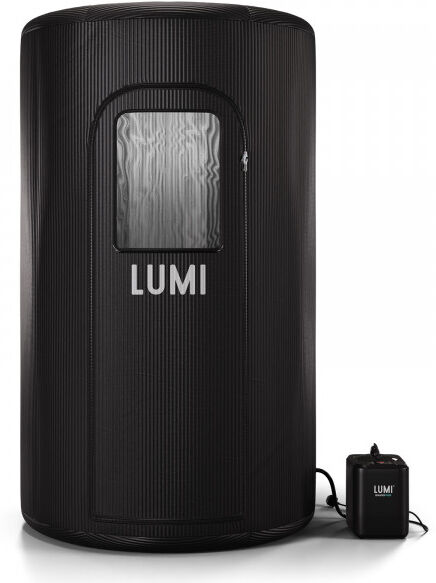
LUMI Sauna MAXTHE LUMI SAUNA MAXâ„¢ The LUMI Sauna MAXâ„¢ transforms your indoor space into a rejuvenating wellness retreat. This premium home sauna features an inflatable internal frame, ensuring a quick and easy setup and sturdy support. QUICK & EFFORTLESS SETUP No fiddly poles or clips, the LUMI Sauna MAX...479,00 £*Shipping: 0,00 £Secure redirect to the provider



-
With which pronouns do many people confuse reflexive pronouns?
Many people confuse reflexive pronouns with personal pronouns. For example, they may use "myself" or "yourself" instead of "me" or "you" in a sentence. This confusion often occurs when people are trying to emphasize the subject of the sentence, but they mistakenly use a reflexive pronoun instead of a personal pronoun. It's important to understand the difference between reflexive and personal pronouns in order to use them correctly in sentences. **
-
What are pronouns?
Pronouns are words that are used in place of nouns to avoid repetition in a sentence. They can refer to people, places, things, or ideas. Pronouns help make sentences clearer and more concise by replacing specific nouns with general words like "he," "she," "it," "they," and "we." Using pronouns also helps to maintain the flow of writing and make it more engaging for the reader. **
-
Which pronouns do many people often confuse with reflexive pronouns?
Many people often confuse reflexive pronouns with intensive pronouns. Intensive pronouns are used to emphasize a preceding noun or pronoun, while reflexive pronouns are used when the subject and object of a sentence are the same. For example, "I myself will do it" uses an intensive pronoun, while "I hurt myself" uses a reflexive pronoun. It is important to understand the distinction between these two types of pronouns to use them correctly in sentences. **
-
Can you help me with personal pronouns and possessive pronouns?
Certainly! Personal pronouns are used to replace nouns in a sentence, such as "I", "you", "he", "she", "it", "we", and "they". Possessive pronouns show ownership or possession, such as "mine", "yours", "his", "hers", "ours", and "theirs". If you need help understanding how to use these pronouns in a sentence or identifying which pronoun to use in a specific context, feel free to ask for more guidance. **


What is the difference between relative pronouns and interrogative pronouns?
Relative pronouns are used to connect a dependent clause to an independent clause, providing more information about a noun in the independent clause. They include words like "who," "which," and "that." Interrogative pronouns, on the other hand, are used to ask questions and gather information. They include words like "who," "what," "which," "whom," and "whose." The main difference between the two is their function in a sentence - relative pronouns connect clauses, while interrogative pronouns are used to ask questions. **
What is the difference between personal pronouns and reflexive pronouns?
Personal pronouns are used to refer to people or things, such as "I," "you," "he," "she," "it," "we," and "they." Reflexive pronouns, on the other hand, are used when the subject and object of a sentence are the same person or thing, such as "myself," "yourself," "himself," "herself," "itself," "ourselves," and "themselves." Reflexive pronouns are used to reflect the action back onto the subject, while personal pronouns simply refer to the subject or object. **
Top-Angebote
Products related to Pronouns:
-
Herdibel Masasana Wellness Massage Oil 1 LHealth and Beauty Creams Herdibel Masasana Wellness Massage Oil 1 L Wellness massage oil is made up of essential oils that give it special properties to cope with daily stress. Essential oils are specially designed to help us relax from daily stress, massage provides us with its benefits and we add the aromatherapy provided by the selected oils. Available Formats: 1000 ml and 500 ml.40,05 £*Shipping: 3,99 £Secure redirect to the provider
-
Natura Siberica Sauna & Spa Thick Anti-Cellulite Massage Butter 370 mlHealth and Beauty Creams Natura Siberica Sauna & Spa Thick Anti-Cellulite Massage Butter 370 ml With this thick oil you will fight cellulite and improve the elasticity and firmness of your skin. Try our rich thick anti-cellulite massage oil with Organic Shea Butter, Yarrow and White Wax. This is a wonderful anti-cellulite treatment with Organic Shea Butter that helps regenerate and renew the skin, improving its elasticity and firmness and leaving it totally radiant. Yarrow has a great toning effect and improves blood circulation while deeply calming the skin. White Wax contains vitamin A and free fatty acids that revitalize the skin, restore its structure and stimulate metabolic processes. Also, vitamin A is absorbed by the skin easily and leaves it smooth and soft. Way of use: Apply the oil to clean, dry skin and perform an anti-cellulite massage session. For best results, use with the Hot Salt Peel and the Siberian Mud Wrap.18,16 £*Shipping: 3,99 £Secure redirect to the provider
-
Uplift Essentials Sweat Sauna Waist Trimmer Belt For Fitness And Fat Burning pinkBoost your workouts with this sweatenhancing sauna waist trimmer belt designed to increase heat, amplify sweating, and support your core. Perfect for men and women, this adjustable belt helps contour the waist, improve posture, and maximize calorie...37,97 $*Shipping: 0,00 $Secure redirect to the provider
-
Power System Fitness Foam Roller massage tool colour Green 1 pcPower System Fitness Foam Roller, 1 pc, Fitness Equipment for Men, After strenuous physical activity, your body and especially your muscles deserve quality relaxation and regeneration. This massage aid Power SystemFitness Foam Rollerhelps to reduce muscle tension and relaxes stiff muscles. Characteristics: is used for relaxation and unwinding promotes muscle regeneration helps with blood circulation to muscles serves as support during exercise and stretching relieves stiff muscles resistant to high loads Ingredients: non-slip material12,67 £*Shipping: 3,99 £Secure redirect to the provider
-
What are demonstrative pronouns and relative pronouns?
Demonstrative pronouns are pronouns that are used to point to specific things or people. Examples of demonstrative pronouns include "this," "that," "these," and "those." Relative pronouns are pronouns that introduce dependent clauses and connect them to independent clauses. Examples of relative pronouns include "who," "whom," "whose," "which," and "that." **
-
Why are demonstrative pronouns called demonstrative pronouns?
Demonstrative pronouns are called demonstrative because they demonstrate or point to a specific noun or pronoun in a sentence. They help to indicate the position or location of the noun or pronoun in relation to the speaker or listener. By using demonstrative pronouns such as "this," "that," "these," and "those," speakers can make their communication more precise and clear by specifying which person, place, thing, or idea they are referring to. **
-
With which pronouns do many people confuse reflexive pronouns?
Many people confuse reflexive pronouns with personal pronouns. For example, they may use "myself" or "yourself" instead of "me" or "you" in a sentence. This confusion often occurs when people are trying to emphasize the subject of the sentence, but they mistakenly use a reflexive pronoun instead of a personal pronoun. It's important to understand the difference between reflexive and personal pronouns in order to use them correctly in sentences. **
-
What are pronouns?
Pronouns are words that are used in place of nouns to avoid repetition in a sentence. They can refer to people, places, things, or ideas. Pronouns help make sentences clearer and more concise by replacing specific nouns with general words like "he," "she," "it," "they," and "we." Using pronouns also helps to maintain the flow of writing and make it more engaging for the reader. **
Similar search terms for Pronouns
-
LUMI Sauna MAXTHE LUMI SAUNA MAXâ„¢ The LUMI Sauna MAXâ„¢ transforms your indoor space into a rejuvenating wellness retreat. This premium home sauna features an inflatable internal frame, ensuring a quick and easy setup and sturdy support. QUICK & EFFORTLESS SETUP No fiddly poles or clips, the LUMI Sauna MAX...479,00 £*Shipping: 0,00 £Secure redirect to the provider
-
Uplift Essentials Sweat Sauna Waist Trimmer Belt For Fitness And Fat Burning yellowBoost your workouts with this sweatenhancing sauna waist trimmer belt designed to increase heat, amplify sweating, and support your core. Perfect for men and women, this adjustable belt helps contour the waist, improve posture, and maximize calorie...37,97 $*Shipping: 0,00 $Secure redirect to the provider
-
Which pronouns do many people often confuse with reflexive pronouns?
Many people often confuse reflexive pronouns with intensive pronouns. Intensive pronouns are used to emphasize a preceding noun or pronoun, while reflexive pronouns are used when the subject and object of a sentence are the same. For example, "I myself will do it" uses an intensive pronoun, while "I hurt myself" uses a reflexive pronoun. It is important to understand the distinction between these two types of pronouns to use them correctly in sentences. **
-
Can you help me with personal pronouns and possessive pronouns?
Certainly! Personal pronouns are used to replace nouns in a sentence, such as "I", "you", "he", "she", "it", "we", and "they". Possessive pronouns show ownership or possession, such as "mine", "yours", "his", "hers", "ours", and "theirs". If you need help understanding how to use these pronouns in a sentence or identifying which pronoun to use in a specific context, feel free to ask for more guidance. **
-
What is the difference between relative pronouns and interrogative pronouns?
Relative pronouns are used to connect a dependent clause to an independent clause, providing more information about a noun in the independent clause. They include words like "who," "which," and "that." Interrogative pronouns, on the other hand, are used to ask questions and gather information. They include words like "who," "what," "which," "whom," and "whose." The main difference between the two is their function in a sentence - relative pronouns connect clauses, while interrogative pronouns are used to ask questions. **
-
What is the difference between personal pronouns and reflexive pronouns?
Personal pronouns are used to refer to people or things, such as "I," "you," "he," "she," "it," "we," and "they." Reflexive pronouns, on the other hand, are used when the subject and object of a sentence are the same person or thing, such as "myself," "yourself," "himself," "herself," "itself," "ourselves," and "themselves." Reflexive pronouns are used to reflect the action back onto the subject, while personal pronouns simply refer to the subject or object. **
* All prices are inclusive of VAT and, if applicable, plus shipping costs. The offer information is based on the details provided by the respective shop and is updated through automated processes. Real-time updates do not occur, so deviations can occur in individual cases. ** Note: Parts of this content were created by AI.